Last Updated: October 31, 2026
Understanding Your Audience
Before starting your website project, identify your target audience. Understanding who your customers are will guide your website's design and content. Consider demographics, interests, and what actions you want them to take on your site. For instance, if you run a resort, your audience may include tourists looking for accommodation and local experiences. Tailoring your website to meet their needs will enhance user engagement and conversion rates.
Defining Your Website Goals
Establish clear objectives for your website. Are you aiming to generate leads, sell products, or provide information? Your goals will shape the website's structure and functionality. For example, a retail business may prioritize an e-commerce platform, while a service provider might focus on a contact form for inquiries. Defining these goals upfront will streamline the design process and ensure that the final product meets your expectations.
Gathering Content and Resources
Compile all necessary content and resources before initiating the design process. This includes text, images, logos, and any existing branding materials. High-quality images are particularly important for visual appeal. If you lack professional photos, consider hiring a local photographer. Additionally, draft clear and concise text that communicates your business offerings effectively. The more prepared you are, the smoother the design process will be.
Choosing the Right Design Elements
Think about the design elements that reflect your brand identity. This includes color schemes, fonts, and layout styles. Research competitors to see what works in your industry, but ensure your design is unique. Consider a mobile-first approach, as many users in Vanuatu access websites via smartphones. A responsive design will enhance user experience and accessibility, crucial for attracting and retaining customers.
Planning for User Experience
User experience (UX) is critical for website success. Plan intuitive navigation that allows visitors to find information quickly. Create a clear path for actions you want users to take, such as making a booking or contacting your business. Test the user journey with potential customers to gather feedback and make necessary adjustments. A well-structured website will keep users engaged and encourage them to return.
Ensuring Search Engine Optimization (SEO)
SEO is vital for improving your website's visibility on search engines. Incorporate relevant keywords into your content, and ensure that your website has descriptive page titles and meta descriptions. Create a sitemap to help search engines index your pages effectively. Consider local SEO strategies to attract customers in Vanuatu, such as listing your business on Google My Business. A solid SEO foundation will drive organic traffic to your site.
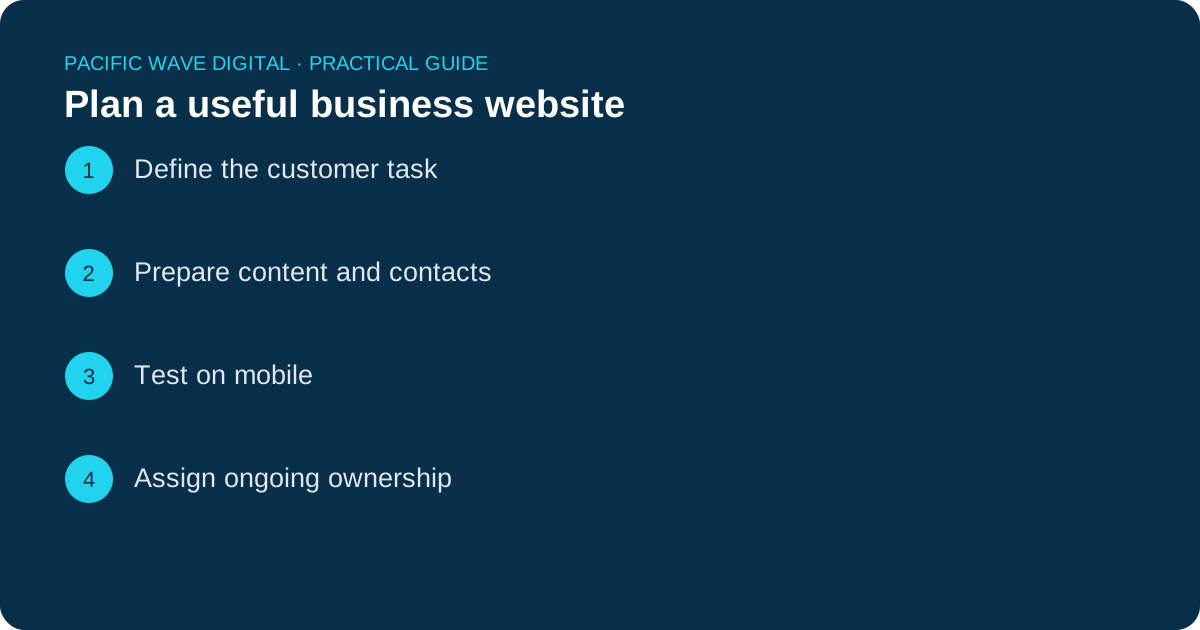 Illustrative planning checklist; adapt to your business and confirm responsibilities.
Establishing Maintenance and Support Plans
Plan for ongoing website maintenance and support after launch. This includes regular updates, security checks, and backups. Determine who will be responsible for these tasks—whether it's your team or a third-party provider. Discuss training options with your web design agency to ensure your staff can manage content updates. A well-maintained website will continue to perform effectively and provide a good user experience over time.
Preparing for Launch
Before launching your website, conduct thorough testing to ensure everything works as intended. Check all links, forms, and interactive elements. Gather feedback from trusted colleagues or friends to identify any issues. Once everything is in order, plan a launch strategy to promote your new website. Utilize social media, email newsletters, and local advertising to inform your audience about your online presence.
Practical Checklist
- Identify your target audience and their needs.
- Define clear goals for your website.
- Gather all necessary content and resources.
- Choose design elements that reflect your brand.
- Plan for user experience and intuitive navigation.
- Implement SEO best practices.
- Establish maintenance and support plans.
- Conduct thorough testing before launch.
FAQs
How long does it take to build a website?
The timeline varies based on the website's complexity, but a typical small business site can take a few weeks from initial discussions to launch.
Can I update the website myself?
Yes, most web design agencies provide training on how to manage your website, allowing you to update content as needed.
What if I don’t have professional images?
Consider hiring a local photographer or using stock images that align with your brand for a professional look.
Next Steps
Ready to start your website project? Contact Pacific Wave Digital to discuss your needs and get a quote. Visit our contact page or call +678 528 8141 for more information.
Discuss your next step
Explore Pacific Wave Digital’s relevant service and contact our Vanuatu team to discuss your requirements and confirm current eligibility and scope.
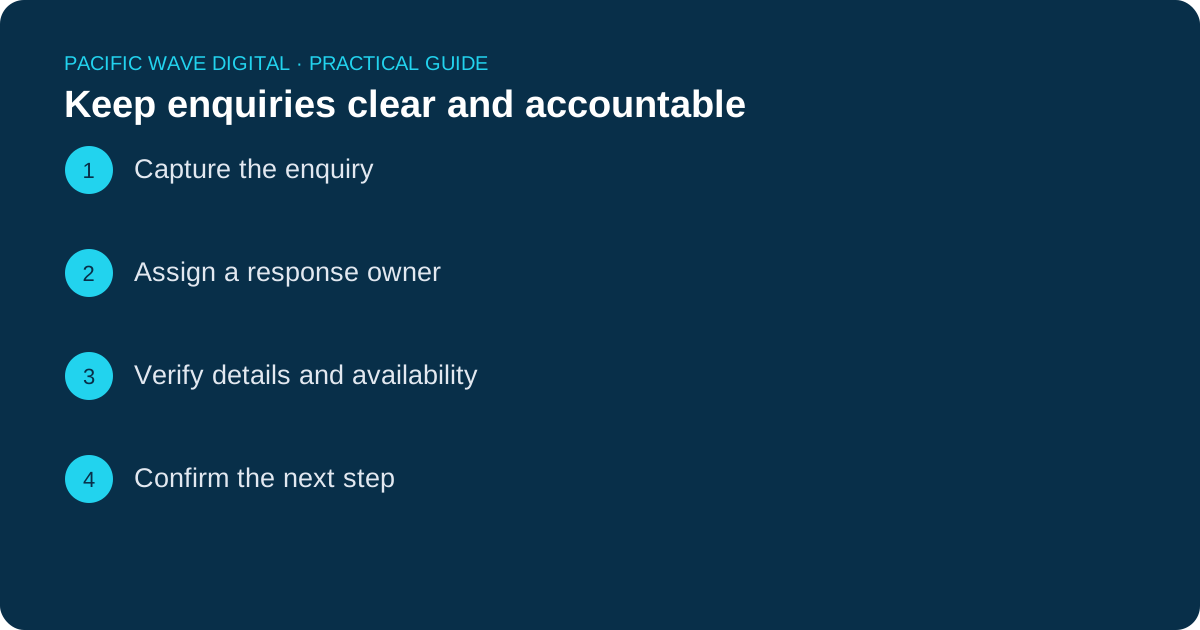 Illustrative planning checklist; adapt to your business and confirm responsibilities.
Sources and review
Prepared with AI assistance for Pacific Wave Digital. Review current service scope and provider eligibility with our team before acting. The cover is illustrative.
Related Services
Explore how Pacific Wave Digital can help your business with these services:
Web Design in Vanuatu
Explore real client projects and plan your website
🤖AI Solutions
Smart automation for your business
📣Digital Marketing
Grow your online presence
Stay Ahead of the Curve
Get updates on AI, digital transformation, and business growth strategies delivered to your inbox.
Loading human verification… Please complete the check when it appears.
By subscribing, you agree to receive email updates. We respect your privacy.